Regulatory Threads Weaving Zurich Venue Accessibility Into Swiss Online Bonus Distribution and Player Verification Protocols
Harper Hayes · Oct 26, 2026

Regulatory Threads Weaving Zurich Venue Accessibility Into Swiss Online Bonus Distribution and Player Verification Protocols
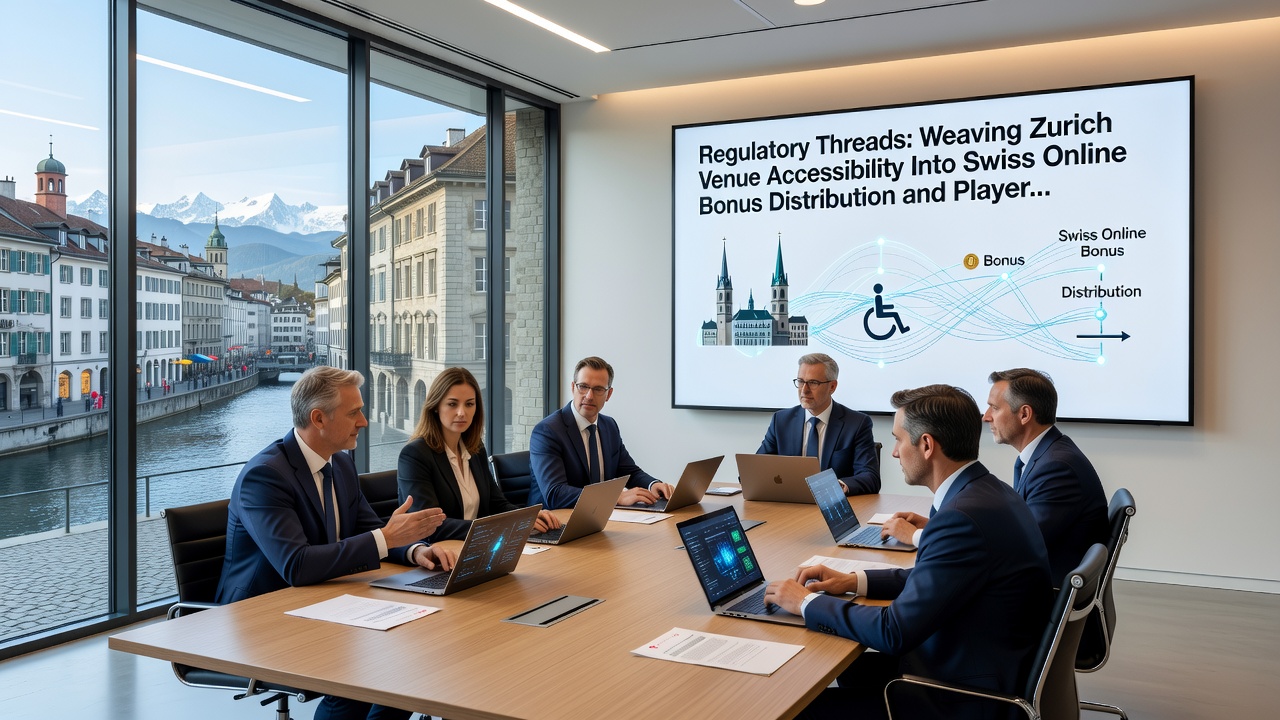
Swiss federal legislation continues to link physical venue requirements in Zurich with digital player checks that determine bonus access on licensed platforms, creating an integrated system where location compliance influences online eligibility criteria. The Federal Act on Games of Chance and Casinos establishes baseline standards that apply equally to land-based operations and remote services, so operators must demonstrate that Zurich facilities meet accessibility benchmarks before their affiliated online portals can distribute promotional credits to verified accounts.
Core Regulatory Framework in Switzerland
The Swiss Federal Gaming Board oversees licensing that ties venue standards directly to digital operations, requiring proof of physical site compliance as a precondition for any bonus allocation formulas used on web-based platforms. Research from the Federal Office of Justice indicates that operators submit annual reports detailing how Zurich locations satisfy mobility and entry requirements, and these same reports feed into algorithms that flag accounts for bonus eligibility once player verification clears identity and residency checks.
Player verification protocols demand government-issued identification alongside proof of Swiss residency, which in turn unlocks bonus distribution rules that reference the operator's overall compliance record including Zurich venue audits. Data shows that platforms cross-reference verification status with venue accessibility filings, so any lapse at a physical site can delay or block promotional offers for users who otherwise meet technical criteria.
Venue Accessibility Standards and Their Digital Ripple Effects
Zurich casinos must incorporate specific architectural features such as wheelchair ramps, adapted gaming terminals, and clear signage to maintain licenses, while the same operators extend verification systems to online users who may never visit those sites. One study revealed that accessibility certifications issued for Zurich venues serve as supporting documentation when platforms apply for extensions to bonus programs, because regulators view integrated compliance as evidence of responsible market participation.
Verification processes collect data on age, location, and financial source, then route that information through centralized databases that also track venue performance metrics. Observers note that this creates a feedback loop where strong Zurich accessibility records can accelerate bonus approval timelines for verified players, whereas deficiencies trigger additional reviews that pause promotional distributions.
October 2026 Protocol Updates and Industry Adjustments
Scheduled changes set for October 2026 will require real-time data sharing between Zurich venue management systems and online verification portals, allowing regulators to monitor accessibility metrics alongside player activity. Operators are preparing by upgrading software that links physical site inspections to digital bonus engines, ensuring that any compliance flags automatically affect promotional credit releases.
According to the Swiss Federal Gaming Board, these updates aim to tighten the existing threads between location standards and remote operations without altering core eligibility rules. Similar integration efforts appear in reports from the Canadian Gaming Association, where provincial operators coordinate venue audits with online verification to maintain consistent bonus frameworks across channels.
Practical Implementation Across Platforms
Swiss online operators apply verification layers that check residency against Zurich venue records before releasing bonuses, so users who complete identity confirmation receive credits only if the operator's physical sites remain in good standing. Those who've studied these systems observe that bonus allocation patterns shift when venue accessibility audits occur, because regulators require fresh documentation before approving new promotional campaigns.
Take one operator managing multiple Zurich locations who noticed that updated ramp installations at a central site coincided with faster processing of online bonus requests for verified players. The connection stems from unified reporting requirements rather than direct causation, yet the timing demonstrates how physical compliance threads through to digital distribution mechanics.
Conclusion
The regulatory structure in Switzerland continues to bind Zurich venue accessibility directly to online bonus distribution and player verification protocols through shared licensing conditions and data requirements. Updates planned for October 2026 will further embed these connections by mandating synchronized reporting systems. Operators and regulators alike maintain these links to ensure consistent standards across physical and digital environments.